Karma is a fundamental concept in Buddhism that emphasizes the law of moral cause and effect. Often misunderstood as fate or punishment, Karma is actually an empowering principle that highlights the potential of our own actions. This article delves into how our actions, intentions, and decisions shape our experiences in life, encouraging readers to reflect on their choices and cultivate positive karma through compassionate actions.
Karma literally means 'action'. It encompasses physical actions, verbal speech, and mental thoughts. Every action effectively plants a seed in the mind that will eventually ripen into an experience. Positive actions lead to happiness, while negative actions lead to suffering. This is the natural law of the universe, operating impartially like gravity.
In Buddhist philosophy, the intention (Cetana) behind the action is what drives Karma. An accidental injury caused to another generates different karma than an intentional one. Cultivating a pure heart and good intentions is thus the foundation of creating good karma.
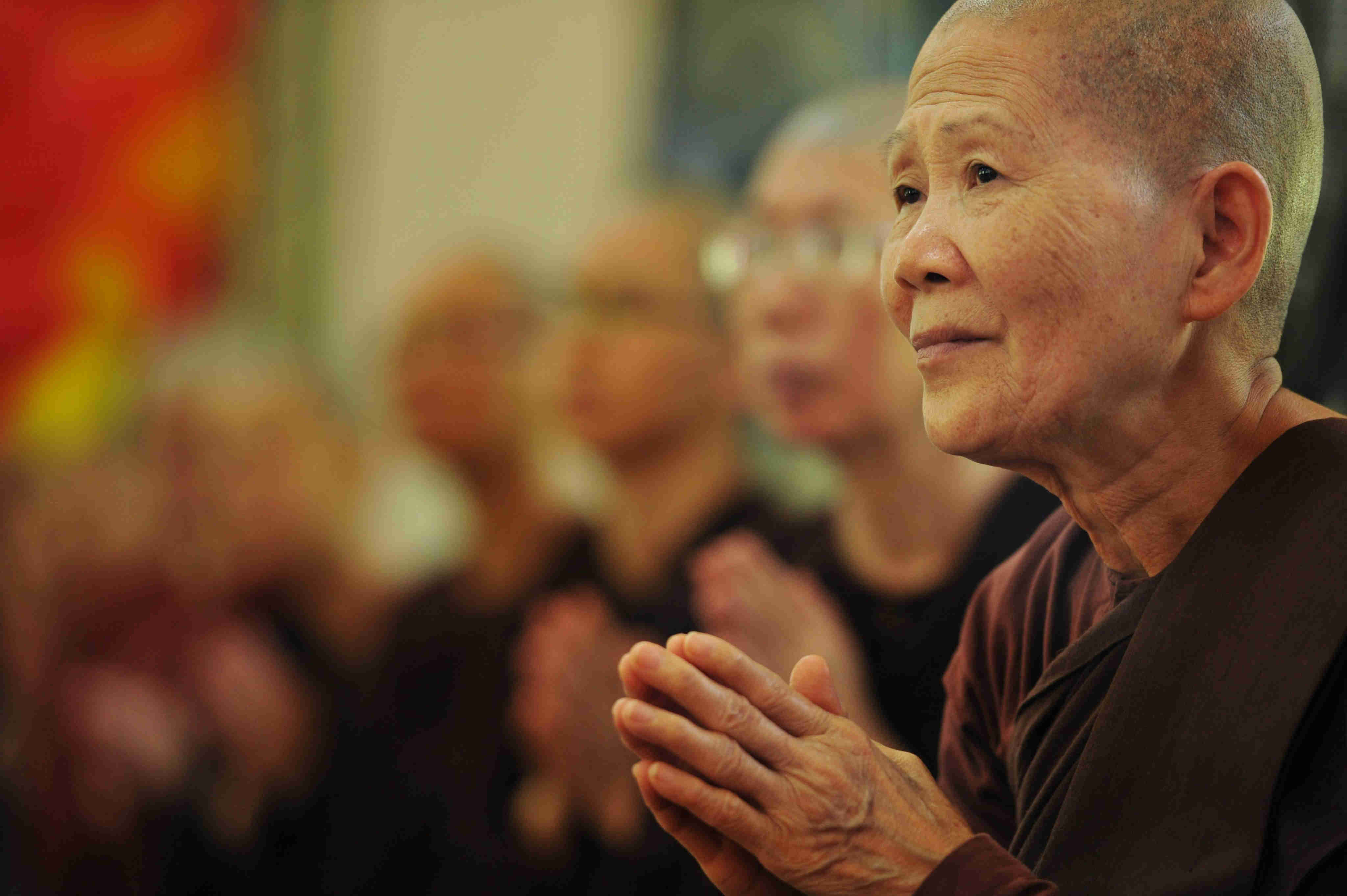
By understanding Karma, we take responsibility for our lives. We stop blaming external circumstances and start creating the future we desire through our present actions. It is a call to live with awareness, kindness, and wisdom.
