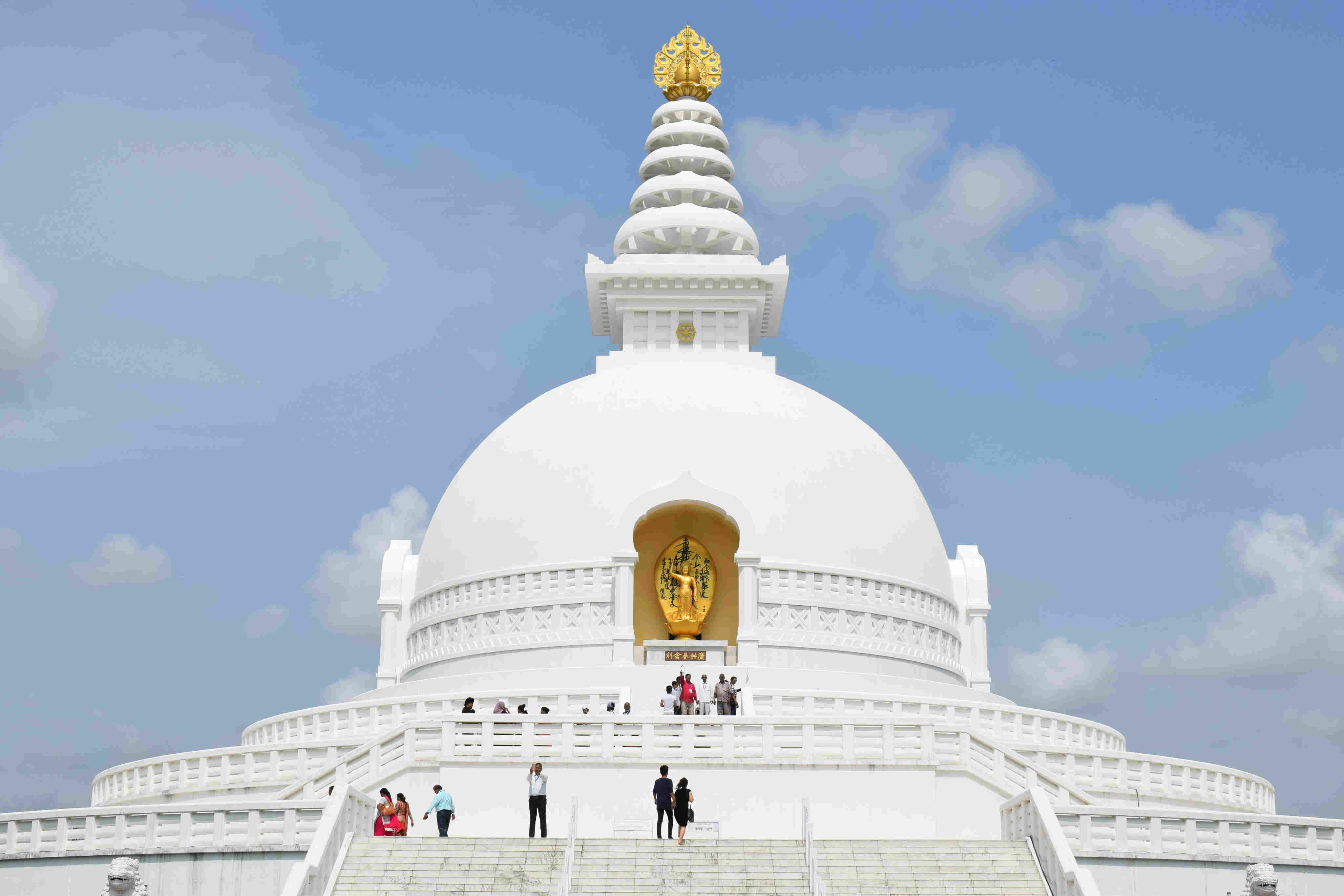
Nestled in the spiritual heartland of Nepal, the Buddha Monastery stands as a serene sanctuary dedicated to the life, teachings, and enduring legacy of Gautama Buddha. More than just a place of worship, this monastery is a living testament to the journey of a prince who renounced the world to find truth, and in doing so, illuminated a path for millions across millennia.
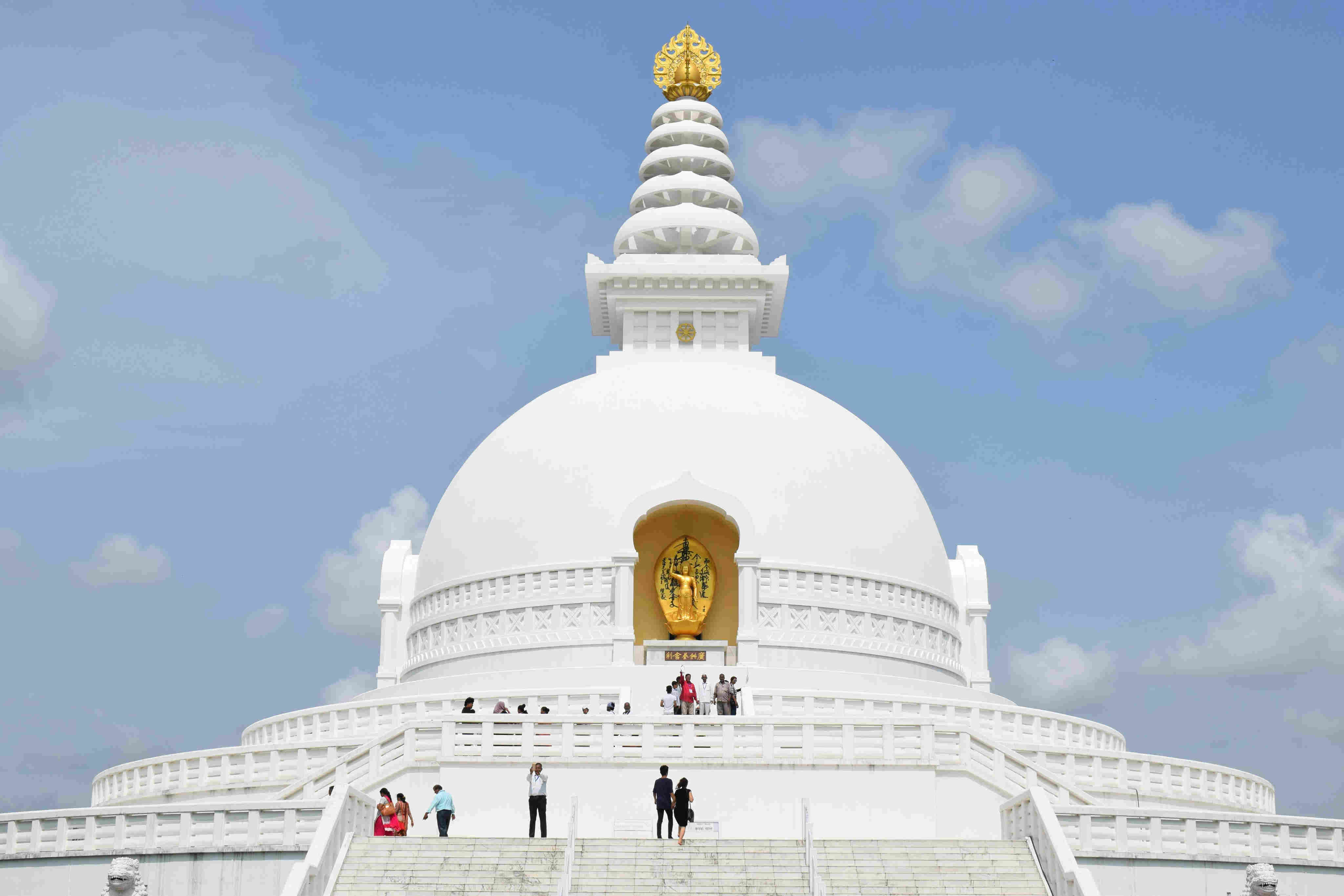
Gautama Buddha, also known as Siddhartha Gautama, is one of the most revered spiritual figures in world history. His life story is not just a narrative of an individual seeking truth, but a timeless guide for humanity toward inner peace, wisdom, and liberation from suffering. Born in the 6th century BCE in Lumbini, Nepal, into a royal family of the Shakya clan, Prince Siddhartha was destined to live a life of luxury, comfort, and protection.
Lumbini, now a UNESCO World Heritage Site, remains one of the most sacred pilgrimage destinations in the world. It is here that Queen Maya Devi gave birth to the prince beneath a sal tree, and it is this sacred origin that gives the Buddha Monastery its profound spiritual significance. Visiting this monastery offers pilgrims and travelers alike an opportunity to connect with the very roots of Buddhist philosophy.
From a very young age, Siddhartha exhibited signs of deep thoughtfulness and compassion. Despite his father King Suddhodana's efforts to shield him from the harsh realities of life—arranging for him to live within the palace walls, surrounded by beauty, youth, and pleasure—Siddhartha eventually encountered what are known as the Four Sights.
These four encounters would change the course of history:
These sights shook Siddhartha to his core. The life of pleasure and privilege suddenly felt hollow. What was the point of royal comforts if aging, sickness, and death awaited everyone? And so, at the age of 29, he made the most difficult decision of his life—he left the palace in the middle of the night, abandoning his sleeping wife Yasodhara and his newborn son Rahula, in search of an answer to the problem of suffering.
Walking through the halls of Buddha Monastery, you can feel the weight of this story in every corner. The architecture, the murals, and the silent meditative spaces are all designed to guide visitors through the stages of the Buddha’s journey—from ignorance and attachment to awakening and compassion.
The main prayer hall features a towering statue of the Buddha in meditation posture, his eyes half-closed in serene contemplation. Around him, thangka paintings depict scenes from his life:
What makes the Buddha’s story so enduring is its profound relevance even today. In a world driven by consumerism, ambition, and constant distraction, the Buddha’s message—rooted in the Four Noble Truths and the Eightfold Path—offers a framework for finding lasting peace.
At Buddha Monastery, these teachings are not just inscribed on scrolls or painted on walls—they are lived. Monks and nuns residing here follow a daily rhythm of chanting, meditation, and study, embodying the very principles that Siddhartha discovered over 2,500 years ago.
If you find yourself in Nepal, a visit to Buddha Monastery is an experience that nourishes both the soul and the mind. Here are some tips to make your visit meaningful:
The story of Gautama Buddha begins in Nepal—in the sacred gardens of Lumbini—but its resonance has spread across continents and cultures. Buddha Monastery serves as a beautiful gateway into that story, offering visitors a chance to not only learn about the Buddha’s life but to experience the stillness and clarity that his teachings inspire.
Whether you are a devoted practitioner, a curious traveler, or someone simply seeking a moment of peace in a chaotic world, this monastery welcomes you. Here, amidst the prayer flags and the soft hum of ancient chants, you might just find a little piece of the truth that Siddhartha set out to discover so long ago.
Have you visited Buddha Monastery or any other sacred sites in Nepal? Share your reflections in the comments below. May your journey be blessed with peace and understanding.
