
As we embrace these values in our daily lives, we begin to shift from chaos to clarity. The mind becomes quieter, the heart softer, and life itself feels more connected. Every breath becomes a chance to start again. In moments of stillness, we remember our true nature—peaceful, wise, and compassionate. Let these principles be your compass as you move through life with grace.
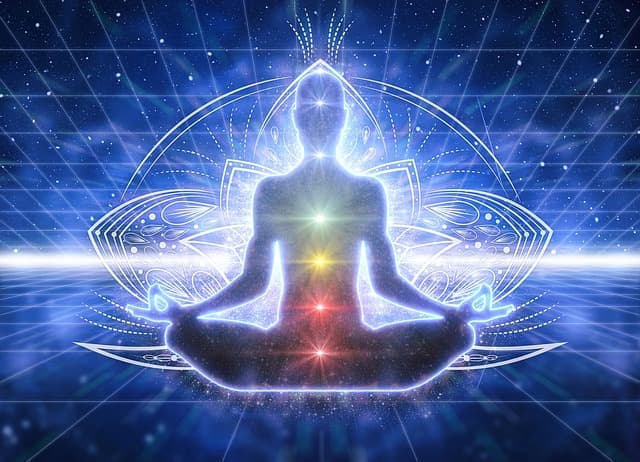
In the journey of life, we seek more than just success—we seek stillness, meaning, and connection. At the heart of every fulfilled life lies a deep desire to understand ourselves, live with purpose, and move in tune with the world around us. Ancient wisdom offers us powerful guiding lights: Meditation to calm the mind,…
Read More→Meditation is a timeless practice rooted in ancient traditions that promotes inner peace, clarity, and emotional balance. Originating thousands of years ago in cultures across Asia, particularly within Hinduism and Buddhism, meditation has evolved into various forms globally. At its core, meditation involves focusing the mind—whether on the breath, a mantra, or an image—to quiet mental chatter and bring awareness to the present moment. This simple yet profound discipline offers a sanctuary from the stress and distractions of modern life. One of the most significant benefits of meditation is its impact on mental health. Regular meditation helps reduce anxiety, depression, and emotional reactivity by calming the nervous system and fostering mindfulness. Studies have shown that mindfulness-based practices can physically reshape the brain, enhancing areas responsible for memory, empathy, and self-awareness. By observing thoughts without judgment, individuals learn to detach from negative thought patterns, creating space for inner calm and resilience. Spiritually, meditation opens the door to deeper self-awareness and connectedness. Whether practiced for personal growth, healing, or spiritual awakening, meditation helps individuals tap into a quiet inner truth beyond the ego. For some, it’s a pathway to feel one with nature or the universe; for others, it’s a method to better understand themselves. In all cases, meditation empowers people to live more consciously, mindfully, and compassionately in every aspect of life.
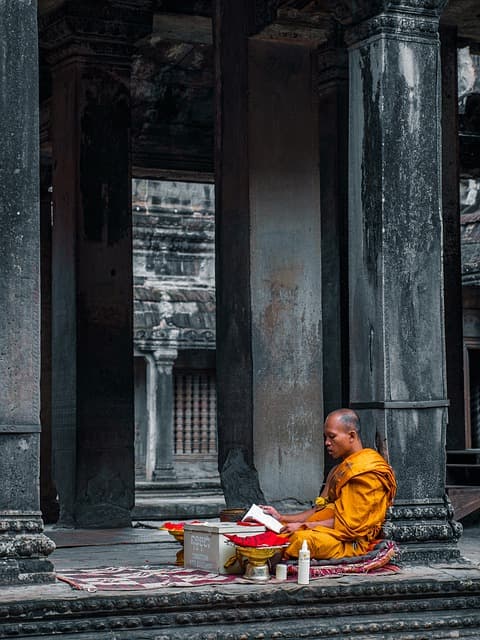
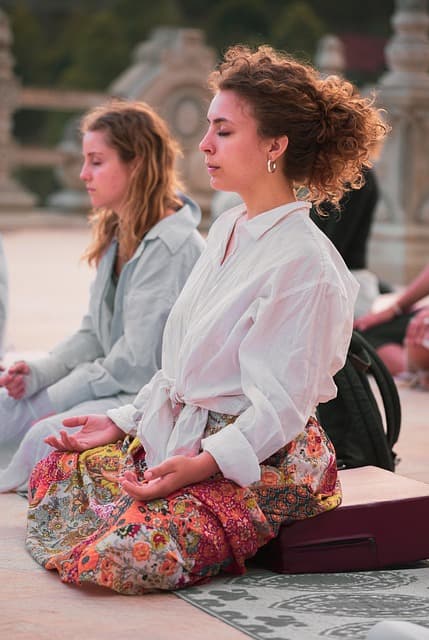
Peace is more than the absence of conflict—it is a deep, enduring state of harmony within and around us. True peace begins inside the human heart, where thoughts, emotions, and intentions align in balance. In a world often filled with noise, pressure, and constant movement, cultivating peace offers a grounding force. It is a gentle reminder that stillness is not empty but full of presence, awareness, and life. Inner peace arises when we learn to let go of control and accept the flow of life with grace. It doesn’t mean we avoid challenges, but that we approach them with calm clarity and compassion. Through practices like mindfulness, gratitude, and forgiveness, we slowly untangle ourselves from the grip of stress, fear, and judgment. This inner calm radiates outward, influencing how we treat others, respond to difficulty, and live each day. Peace is also a collective experience—woven into our relationships, communities, and the wider world. When individuals are centered and at ease, they contribute to environments where understanding, empathy, and respect thrive. Acts of kindness, active listening, and cooperation are all expressions of peace in action. Whether in a home, workplace, or society, peaceful interactions build trust and foster a sense of unity.
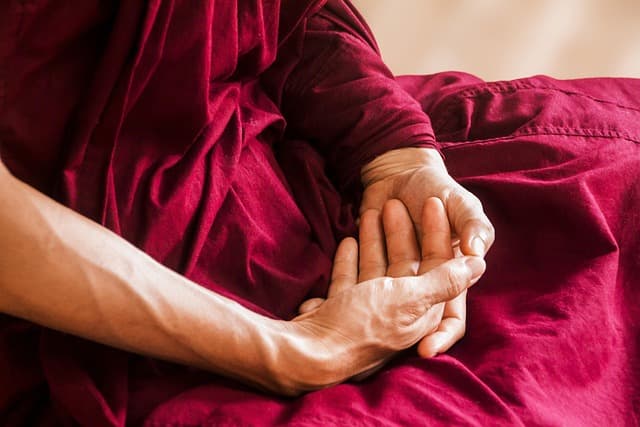
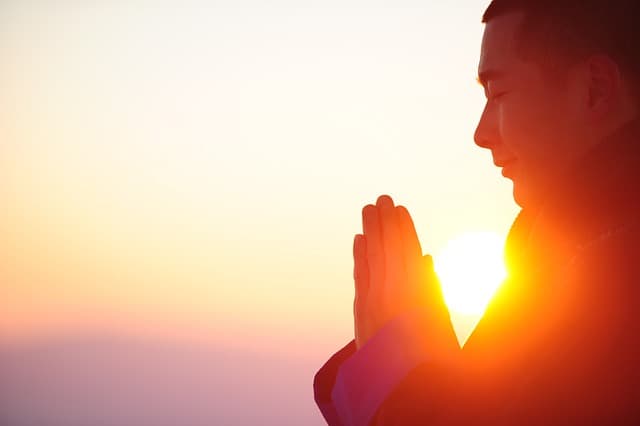
Karma is the universal principle of cause and effect—what we think, say, or do creates energy that comes back to us. Rooted in Hindu, Buddhist, and Jain philosophies, karma teaches that our actions are not isolated; they ripple through time, shaping our experiences and destiny. Whether positive or negative, every intention carries weight, influencing the unfolding of our lives and the lives of others. At its heart, karma is not about punishment or reward, but about learning and balance. It reflects the natural order of the universe, where integrity, compassion, and mindfulness lead to harmony, while selfishness or harm can result in suffering. When we understand karma, we begin to take greater responsibility for our choices—not out of fear, but from awareness that our present actions shape future outcomes.Karma also encourages us to look inward, recognizing patterns that repeat in our lives. If we face recurring challenges, karmic insight helps us ask: What can I learn from this? How can I respond with more awareness or kindness? Through reflection and conscious living, we can release past karmic burdens and create a new path grounded in love, forgiveness, and intention. Ultimately, karma empowers us to be active co-creators of our lives. It invites us to live with purpose, to give without expectation, and to act with sincerity in all things. Each moment becomes an opportunity to plant seeds of peace, truth, and joy. As we align with the flow of karma, we discover that every thought and action—no matter how small—has the potential to bring light into the world.
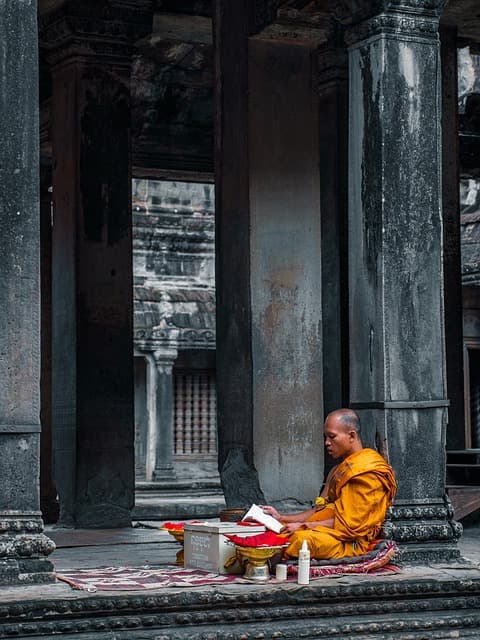

Harmony is the gentle balance that arises when all parts of life flow together with ease and understanding. It is the feeling of being aligned—within ourselves, with others, and with the world around us. Just as a beautiful melody depends on different notes coming together in rhythm, harmony in life comes from honoring our emotions, values, and relationships in a way that feels whole and true. Inner harmony begins when our thoughts, actions, and emotions are in sync. It’s that quiet strength we feel when we live according to our truth, free from internal conflict. This doesn’t mean perfection—it means listening to ourselves deeply, making space for both joy and struggle, and responding to life with calm awareness.Harmony also blossoms in our connections with others. When we relate with kindness, patience, and empathy, we create an atmosphere where trust and love can grow. In a harmonious life, there is a sense of flow and grace. We move through our days with purpose, yet without force. Challenges still come, but we meet them with balance rather than resistance. As we cultivate harmony—within and around us—we begin to experience life not as a struggle to control, but as a beautiful dance of connection, rhythm, and meaning.
